
Weight loss facts and tips

WEIGHT LOSS vs FOOD MYTHS
By NETHRA VIJAYAKUMAR

Weight loss, refers to a reduction of the total body mass, by a mean loss of fluid, body fat (adipose tissue), or lean mass (namely bone mineral deposits, muscle, tendon, and other connective tissue). Weight loss can either occur unintentionally because of malnourishment or an underlying disease, or from a conscious effort to improve an actual or perceived overweight or obese state.

Myth: You have to give up all your favorite foods, to lose weight.
Fact
You don’t have to give up all your favorite foods when you’re trying to lose weight. Small amounts of your favorite high-calorie foods may be part of your weight-loss plan. Just remember to keep track of the total calories you take in. To lose weight, you must burn more calories than you take in through food and beverages.

TIP
Limiting foods that are high in calories may help you lose weight. 

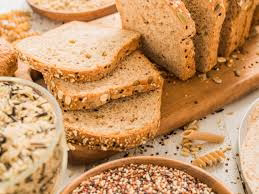
Myth: Grain products such as bread, pasta, and rice are fattening. You should avoid them when trying to lose weight.
Fact
Grains themselves aren’t necessarily fattening—or unhealthy–although substituting whole grains for refined-grain products is healthier and may help you feel fuller. At least half of the grains you eat should be whole grains. Examples of whole grains include brown rice and whole-wheat bread, cereal, and pasta. Whole grains provide iron, fiber, and other important nutrients.

TIP:
 Try to replace refined or white bread with whole-wheat bread and refined pasta with whole-wheat pasta. Or add whole grains to mixed dishes, such as brown instead of white rice to stir fry. 

Myth: Dairy products are fattening and unhealthy.

Fact:
Dairy products are an important food group because they have protein, that  your body needs to build muscles and help organs work well, and calcium to strengthen bones. Most dairy products, such as milk and some yogurts, have added vitamin D to help your body use calcium. Dairy products made from fat-free or low-fat milk have fewer calories than dairy products made from whole milk.
TIP
Adults should have 3 servings a day of fat-free or low-fat dairy products, including milk or milk products such as yogurt and cheese, or fortified soy beverages, as part of a healthy eating plan. 

If you can’t digest lactose, the sugar found in dairy products, choose fortified soy products, lactose-free or low-lactose dairy products.

Comments

  1. Most of the people believe eat less then lose weight..start with small amounts of your favorite high-calorie foods may be part of your weight-loss plan..
    Thanks Nethra... Good one you sharing

    ReplyDelete

Post a Comment

Popular posts from this blog

BOON OF BLACK RICE

  BOON OF BLACK RICE By Nethra Vijayakumar        Black rice originating in China, has an interesting story. It was grown in small quantities and consumed only by the royalty.   It’s also known as the purple rice, forbidden rice,   prized rice and emperor’s rice. In Tamil Nadu, it is popularly known by the regional name ‘ Karuppu Kavuni ’ Rice, which is a black variant and it also has a red variant which is mostly used to make sweets      Black rice contains essential amino acid like lysine, tryptophan; vitamins like Vitamin B1, Vitamin B2, folic acid: and it is good source of minerals like iron, zinc, calcium, phosphorus and selenium. It is also good source of fiber and protein. HEALTH BENEFITS: HIGH ANTIOXIDANT: Deep    black    purplish    color, in    black    rice, indicates    the    high    antioxidant    properties....

THE SEVEN CHAKRA - BALANCING

THE 7 CHAKRAS - BALANCING The chakras, the nadis are the channels of prana in our body. Out of 114 chakras, two are outside the physical body. The remaining 112 chakras arrange themselves into seven dimensions, with sixteen aspects in each dimension. The seven fundamental chakras are discussed below. q SAHASRARA CHAKRA: English name Crown chakra Colour White Element Thoughts and beyond senses Mantra OM Emotions Equanimity, balance serenity, wisdom, enlightenment Body parts related Upper brain and beyond Gland Pituitary gland To balance Meditation, sirsasana   AJNA CHAKRA: English name Third eye Colour Indigo Element Intuition Mantra OM Emotions Awareness, intelligence, intuition,...

Polycystic Ovarian Syndrome

POLYCYSTIC OVARIAN SYNDROME - OVERVIEW By NETHRA VIJAYAKUMAR Polycystic Ovarian Syndrome (PCOS), also referred to as hyperandrogenic anovulation (HA), or Stein–Leventhal syndrome is a reproductive endocrine disorder that affects approximately 5-10% of reproductive age women.  Polycystic ovary syndrome (PCOS) happens when a woman's ovaries or adrenal glands produce more male hormones than normal. PCOS causes cysts (fluid-filled sacs) to grow on the ovaries. Symptoms include. • Irregular menstrual periods • Infertility • Pelvic pain • Excess hair growth on the face, chest, stomach or thighs • Weight gain • Acne or oily skin • Patches of thickened skin Women with PCOS are at higher risk of diabetes, metabolic syndrome, heart disease, and high blood pressure. PCOS is more common in women who have obesity or have a mother or sister with PCOS. To diagnose PCOS, your health care provider may do a physical exam, pelvic exam, blood tests, and an ultrasoun...